

Food is one of the great pleasures of any holiday in Greece. On a sailing charter in the Ionian, it becomes something even more special. Every meal is prepared fresh on board by a dedicated chef, using local ingredients sourced from the islands along the route. Breakfast arrives in the cockpit as the sun comes up over the water. Lunch is served at anchor in a sheltered bay. And evenings ashore at waterfront tavernas add a layer of local flavour that no resort restaurant can replicate. This guide to Greek island cuisine on a sailing charter walks you through what to expect from your onboard chef, what dishes to look forward to, and why food on a crewed catamaran holiday is so much better than most people expect.
What Your Onboard Chef Actually Does
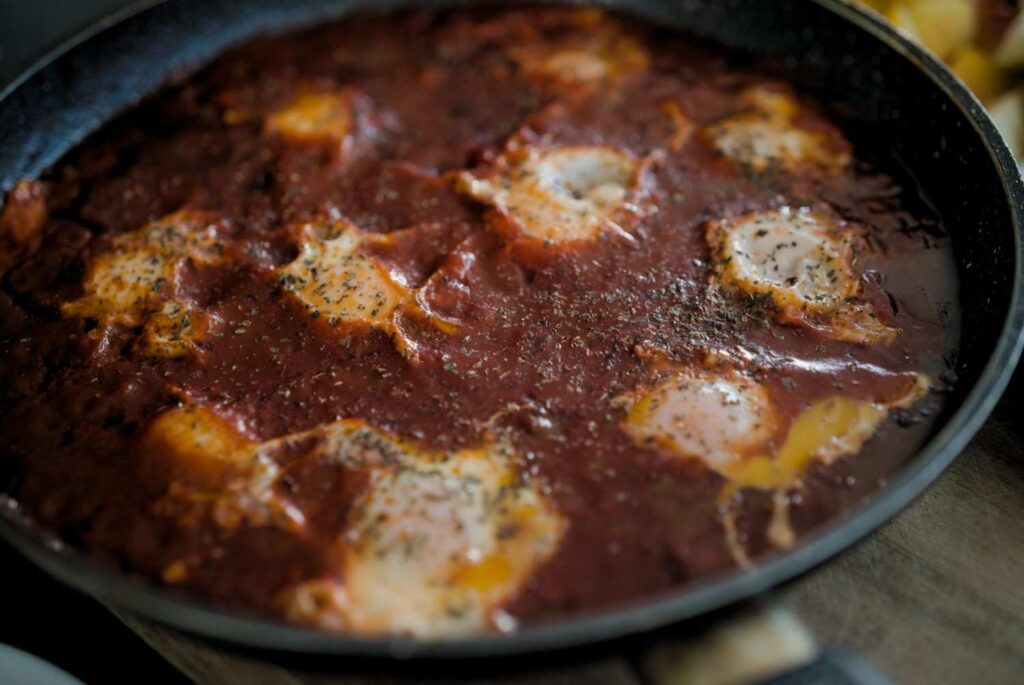
On a CAYAsail crewed charter, the onboard chef handles all provisioning, preparation, and cooking throughout the week. Before departure, the chef shops for fresh produce, fish, dairy, and staples at local markets and suppliers in Lefkada. The emphasis is always on seasonal, local ingredients – the kind of produce that reaches the supermarket shelf in northern Europe days after it was picked, but arrives in the Ionian kitchen on the same morning it was harvested or caught.
Every day, the chef prepares breakfast and lunch on board. Menus adapt to the group’s preferences and any dietary requirements. Vegetarian, vegan, and gluten-free guests are all catered for without fuss. In addition, the chef brings a genuine knowledge of Greek and Mediterranean cooking – this is not reheated resort food or basic galley meals. It is properly cooked, thoughtfully prepared food that reflects both the season and the destination. Also, having a chef on board means guests never have to think about what to eat or when to cook. The meal simply appears, and it is always good.
To see exactly what is included in the all-inclusive package – including the chef, all meals, drinks, and provisioning – visit the CAYAsail prices page.
Breakfast on Board
Breakfast on a sailing catamaran in the Ionian is, for many guests, one of the highlights of the entire week. It is served in the cockpit while the boat is still at anchor, with the bay calm around you and the morning light on the water. The setting alone makes everything taste better.
A typical breakfast includes fresh fruit, Greek yogurt with local honey, eggs cooked to order, fresh bread or pastries, cold meats, cheese, and good coffee. Greek yogurt in the Ionian is a different product from what you find at home – thicker, richer, and paired with the kind of wildflower honey that makes it feel like a complete dish in itself. Furthermore, the fruit served on board reflects what is in season locally. In summer, this means ripe watermelon, peaches, figs, and grapes – all bought fresh from the market rather than shipped in from a distribution centre.
Breakfast is always unhurried. There is no buffet queue, no dining room to get dressed for, and no time pressure. You eat when you are ready, in your swimsuit, looking out at the bay. It is a simple but genuinely wonderful way to start a day at sea.
Lunch at Anchor
Lunch is prepared and served while the boat is at anchor in one of the sheltered bays along the South Ionian itinerary. The timing works perfectly – the morning sail is done, the anchor is down, and the swimming has already started. By the time lunch arrives on deck, everyone is ready for it.
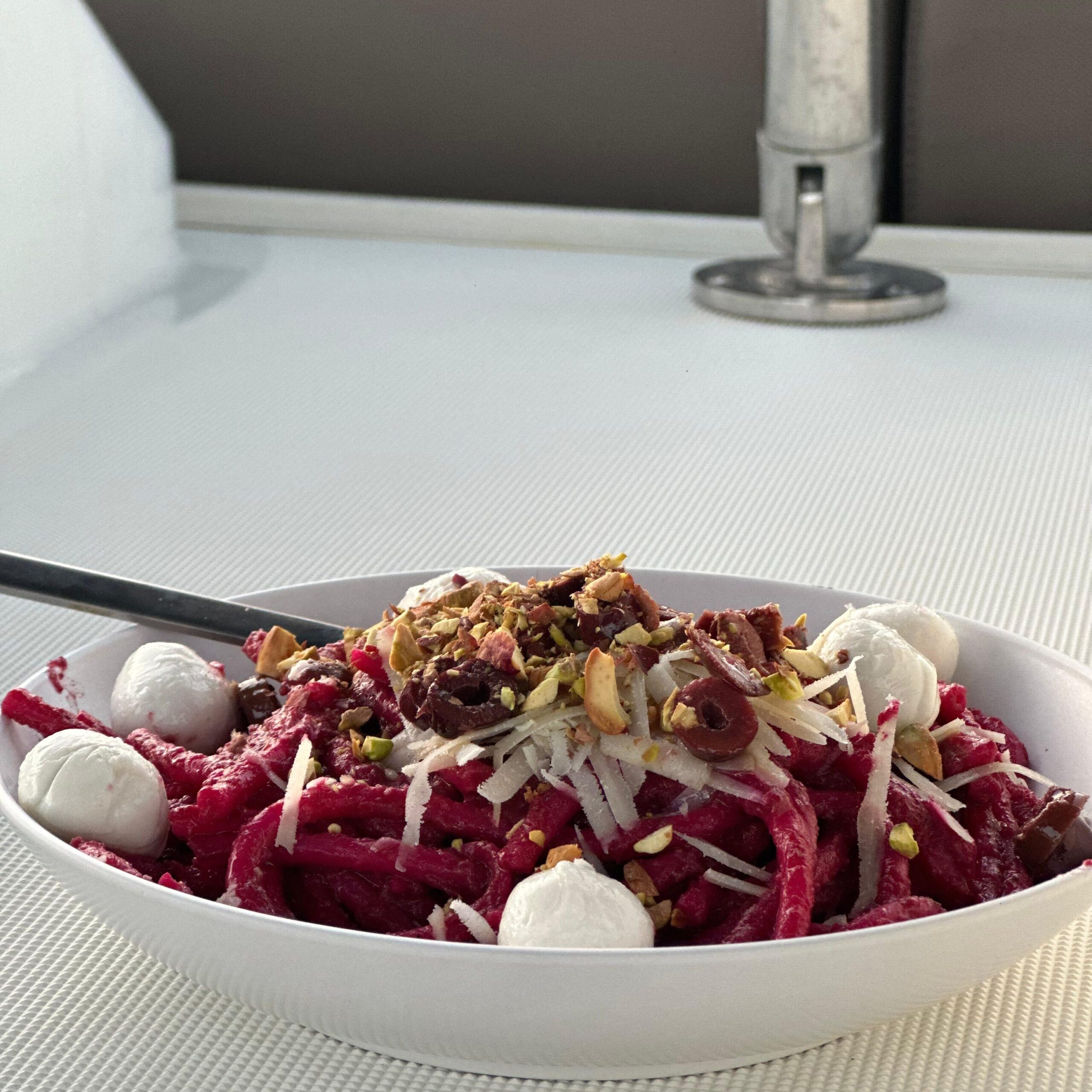
Typical lunch dishes include Greek salad with fresh feta and locally pressed olive oil, grilled fish or calamari, mezze spreads with tzatziki, hummus, and warm pita, pasta dishes, stuffed vegetables, and seasonal salads. The chef uses whatever is freshest and most interesting from that morning’s provisioning. In particular, the olive oil served on board deserves a mention – cold-pressed, green-gold, and nothing like the supermarket bottles most people are used to. Poured over fresh tomatoes with sea salt and a little oregano, it is one of the simplest and most satisfying dishes in the entire Greek culinary tradition.
Also worth looking out for are the mezze spreads the chef puts together for lighter lunches. Taramasalata, melitzanosalata (roasted eggplant dip), feta marinated in herbs and olive oil, and dolmades (stuffed vine leaves) all appear regularly. In comparison to a restaurant meal, eating mezze on deck at anchor feels more relaxed and communal – shared plates, cold wine, and nowhere to be for the rest of the afternoon.
Ionian Specialties to Know Before You Sail
The Ionian Islands have their own distinct culinary identity, shaped by centuries of Venetian influence and the exceptional local produce of the region. Understanding what makes Ionian food different from mainland Greek cuisine helps you appreciate it more when it arrives on your plate.
Kreatopita is the signature dish of Kefalonia – a rich, slow-cooked meat pie made with beef or lamb, warm spices, and local cheese, all wrapped in flaky pastry. It is hearty, deeply flavored, and unique to the island. Also from Kefalonia comes Robola wine, a crisp, mineral white wine made from grapes grown in the high-altitude vineyards of the island’s interior. It pairs beautifully with seafood and is always worth ordering when you see it on a menu ashore.
From Corfu, sofrito is a slow-braised veal dish with garlic, vinegar, and parsley – tender, rich, and deeply satisfying. Bourdeto, also from Corfu, is a spiced fish stew with tomatoes, potatoes, and red pepper, cooked slowly until the fish falls apart. Furthermore, pastitsada – rooster slow-cooked in a tomato and red wine sauce with cinnamon and cloves – is one of the most distinctive dishes in the entire Ionian repertoire. These are the kinds of dishes that do not appear on tourist menus elsewhere in Greece, and tasting them in the places they come from is one of the genuine privileges of sailing the region.
Seafood: The Heart of Ionian Cooking
Seafood is the backbone of Greek island cuisine, and the Ionian offers some of the finest in the Mediterranean. The waters around Kefalonia, Lefkada, and Ithaca are clean, cold, and teeming with life. Grilled octopus is perhaps the most iconic dish – left to dry in the sun before being charred over charcoal and dressed with lemon and olive oil. It appears on almost every taverna menu in the Ionian, and when it is done well, it is extraordinary.
Also on the menu at every good waterfront taverna are fresh grilled sea bass and sea bream, both outstanding when simply prepared with lemon, olive oil, and herbs. Calamari – either grilled or lightly fried – is another staple. Kakavia, the traditional Greek fisherman’s stew made with whatever came in that morning, is worth seeking out when you see it offered. In addition, mussels saganaki – mussels in a spiced tomato and feta sauce – is a dish that appears regularly in the Ionian and rarely disappoints.
The chef on board will often source fresh fish directly from local fishermen at the harbours along the route, particularly at smaller stops where the morning catch comes in early. When this happens, the day’s lunch reflects exactly where the boat is anchored – as local and as fresh as it is possible to get.
Eating Ashore: Dinners at Waterfront Tavernas
While breakfasts and lunches are served on board, dinners ashore are a regular and much-anticipated part of the week. The stops along the South Ionian route – Fiskardo, Syvota, Meganisi, Ithaca – all have waterfront tavernas that are genuinely outstanding. These are not tourist trap restaurants. They are family-run places with locally sourced menus, excellent house wine, and the kind of warm, unhurried service that makes a two-hour dinner feel completely natural.
In Fiskardo, the waterfront restaurants are known across Greece for their seafood and their setting, while In Syvota, lobster is a local specialty and several tavernas serve it fresh at prices that surprise most visitors. In the smaller stops along the route, the menus are simpler but often more authentic – grilled fish, village salad, local wine, and fresh bread. Furthermore, eating at these places as part of a sailing week, arriving by boat rather than by tourist bus, gives the experience a different quality. You have earned the meal by spending the day on the water, and it always tastes better for it.
Drinks, Wine, and Local Produce on Board
Soft drinks, beer, and wine are all included in the CAYAsail all-inclusive package throughout the week. Cold Greek beer on a hot afternoon at anchor is a simple pleasure that never loses its appeal. The wine served on board is sourced locally where possible, and the Ionian produces some excellent options – in particular, Robola from Kefalonia and the crisp dry whites from Lefkada are both well worth exploring.
Greek coffee is also served daily on board, along with the cold frappé that is the unofficial drink of Greek summer. If you have not tried a proper Greek frappé – instant coffee blended with cold water and ice until frothy, served with milk on the side – a morning at anchor in a Ionian bay is the ideal place to start. It is, in comparison to most coffee experiences, something you will want to recreate at home long after the holiday ends.
Ultimately, food on a CAYAsail crewed charter is not an afterthought. It is a central part of the experience – fresh, local, generous, and always served somewhere beautiful. To find out more about what a week in the Ionian looks like from the moment you arrive, visit the CAYAsail Ionian sailing holidays page. To start planning your own sailing week, get in touch with the CAYAsail team directly – or explore the cabin charter option on cayasail.com if you are travelling as a couple or in a smaller group.